How Different Niches Use Quizzes to Boost Sales and AOV
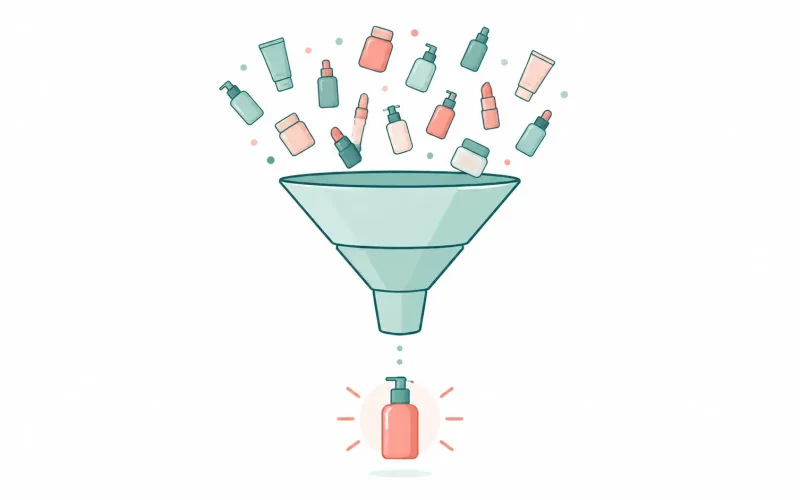
Every Shopify merchant eventually runs into the same wall: a catalog grows, options multiply, and somewhere along the way, conversion rate starts drifting the wrong direction. It’s tempting to blame ads, pricing, or seasonality. Often, the real issue is simpler. Shoppers are standing in front of too many choices and no clear way to figure out which one is theirs.
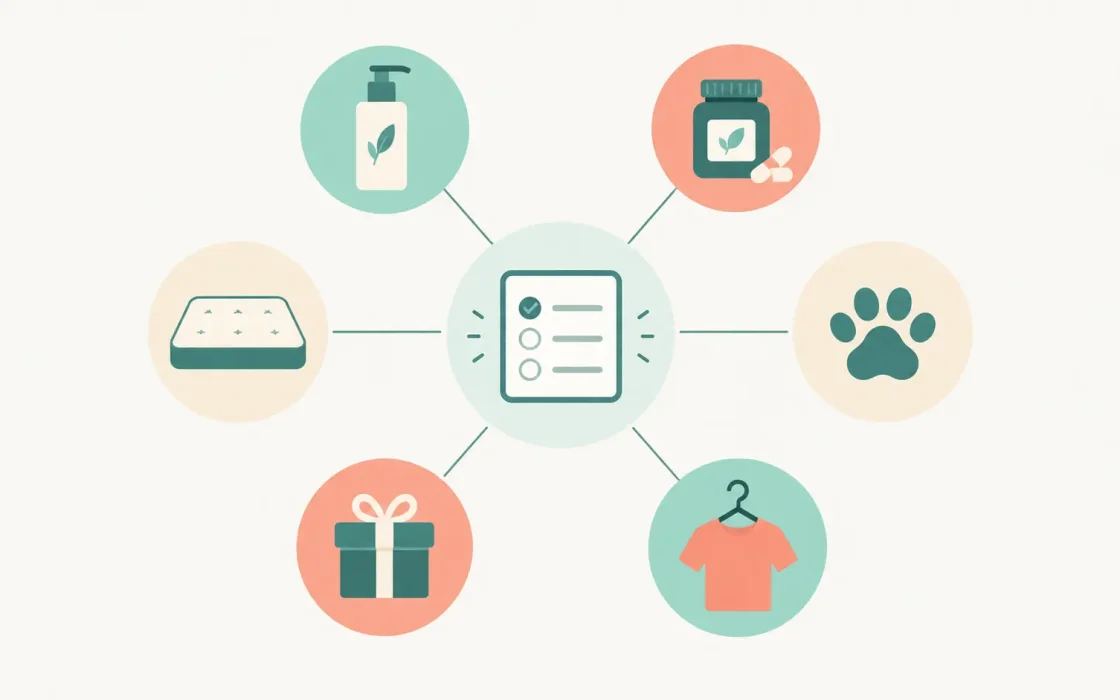
A product quiz solves that problem directly, and it does it differently depending on what you sell. This post walks through how a handful of the biggest ecommerce niches use quiz-based selling to lift both conversion rate and average order value (AOV), and why the mechanism behind each is slightly different.
Why quizzes work differently across niches
Not every product category struggles with the same kind of decision. Some categories suffer from choice overload, too many nearly identical SKUs. Others suffer from a diagnostic problem, the shopper doesn’t actually know which attribute of their own body, taste, or lifestyle should drive the purchase. Most high-performing Shopify quiz implementations succeed because they’re built around whichever of these two problems is actually costing the merchant conversions.
The categories below are grouped by the specific friction a product recommendation quiz removes, and each includes what a quiz can realistically do for average order value in that niche.
Skincare and beauty
Skincare shoppers are trying to solve a diagnostic problem before they can even start comparing products. Someone might describe their skin as “sensitive” when it’s actually dehydrated, or assume breakouts mean oily skin when the real culprit is a damaged skin barrier. A skincare quiz replaces guesswork with a short, guided sequence. Skin type, primary concern, sensitivities that ends in a specific match instead of a shelf of 30 similar-looking bottles.
The AOV lever here is routine-based selling. A quiz that recommends a full cleanser-serum-moisturizer routine instead of a single item consistently outperforms single-SKU logic, because most skin concerns genuinely aren’t solved by one product. This is one of the strongest categories for quiz-based selling precisely because self-diagnosis is so unreliable.
Pet products
Pet owners are shopping for someone who can’t describe their own needs which makes this one of the clearest use cases for guided selling. A quiz that asks about breed, age, size, activity level, and known sensitivities can route a shopper directly to the right food, supplement, or accessory instead of leaving them to guess based on packaging claims.
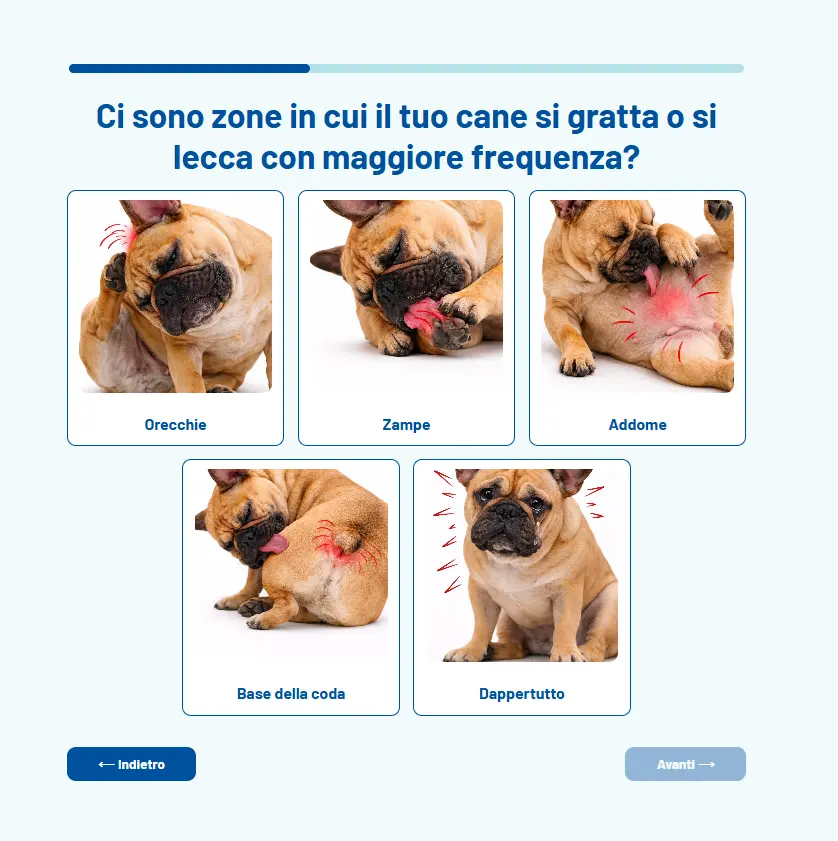
AOV lift in this niche often comes from bundling food with supplements or accessories matched to the same pet profile a natural upsell that feels like a recommendation rather than a pitch, because it’s directly tied to information the shopper already provided.
Mattresses, furniture, and home goods
High-consideration home purchases carry a different kind of friction: shoppers can’t test the product in person, and the wrong choice is expensive and annoying to return. A mattress quiz or furniture-fit quiz (asking about sleep position, room dimensions, firmness preference, or style) reduces the anxiety that normally stalls these purchases at the “still thinking about it” stage.
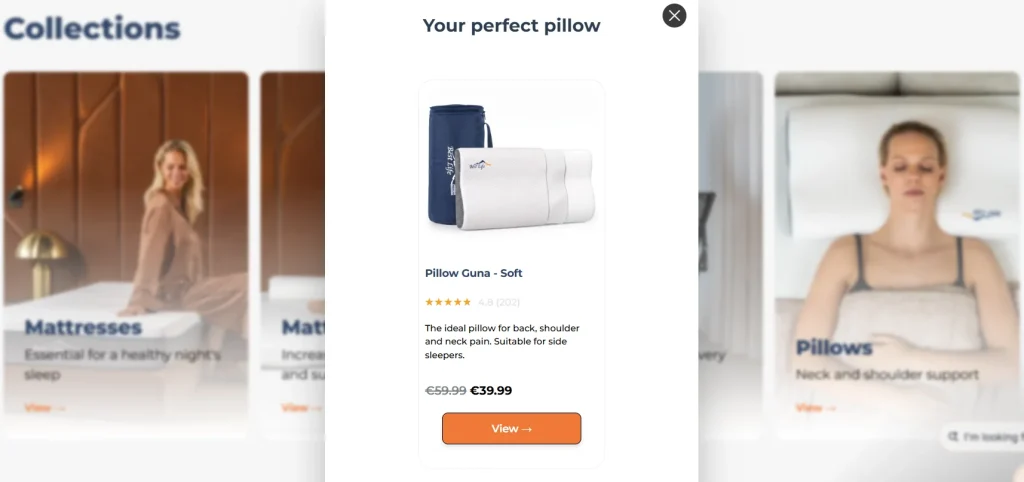
This is a category where quiz-based selling often lifts conversion rate more than AOV directly the quiz’s real job is closing the sale at all, since cart abandonment tends to run especially high for expensive, hard-to-return items.
Gifting
Gift shoppers aren’t buying for themselves, which means they often don’t know your catalog and don’t have strong opinions about it, a very different shopper than your typical repeat customer. A “find the perfect gift” quiz that asks about the recipient’s interests, relationship to the shopper, and budget removes the paralysis that comes with browsing a catalog for someone else’s taste rather than your own.
AOV impact here tends to be strong and immediate: gift shoppers are unusually receptive to bundled recommendations (“this pairs well with…”) because they’re already primed to want a complete, thoughtful-feeling gift rather than a single item.
Supplements and wellness
Supplement shoppers face a different version of the same problem: too many products claiming to solve overlapping goals (energy, sleep, focus, recovery) with ingredient lists most shoppers can’t evaluate on their own. A supplement quiz that asks about goals, current routine, and lifestyle factors can recommend a stack rather than a single bottle — the same bundling logic that works for skincare routines.

This category also benefits heavily from the trust effect of a personalized product recommendation. A shopper who’s asked a few thoughtful questions about their goals and then shown a specific, reasoned stack is far less likely to abandon the decision than one scrolling through 40 SKUs with similar packaging and vague claims.
Apparel and fashion
Two separate problems live in this niche, and it’s worth treating them separately. A sizing quiz solves a logistics problem (return rate reduction from wrong fit), while a style quiz solves a taste problem (matching pieces to a shopper’s aesthetic without a human stylist in the loop). Merchants who combine both tend to see the strongest results, since fit and style objections are the two most common reasons apparel shoppers abandon carts.
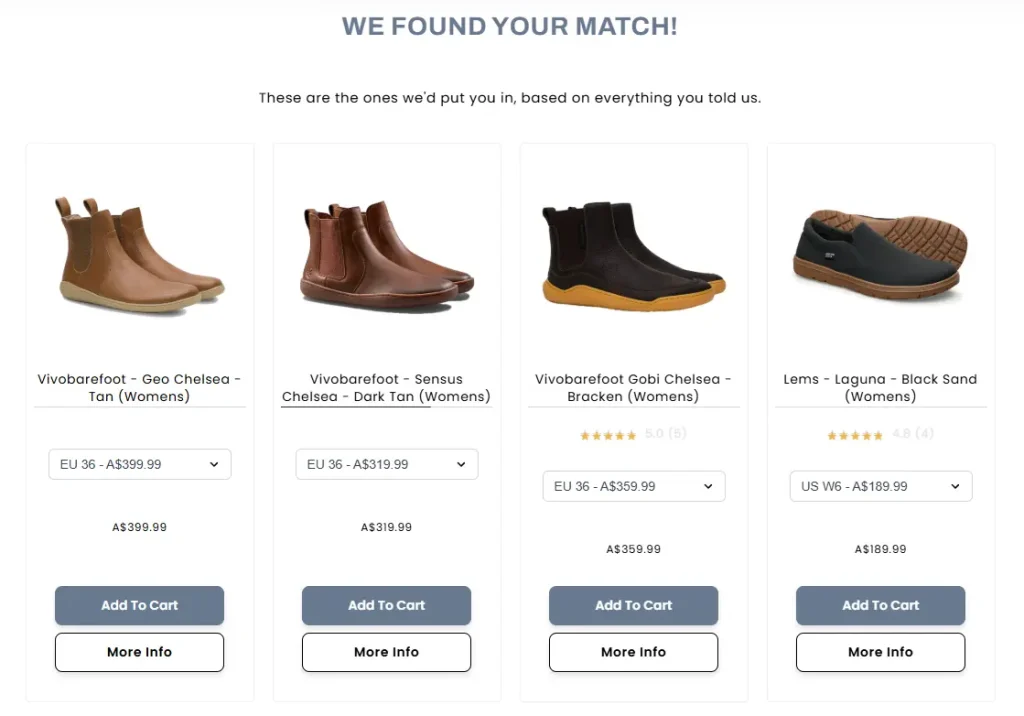
AOV lift in this category often comes from styling a full outfit around the quiz result rather than recommending a single garment the same routine-based logic used in skincare and supplements, just applied to clothing.
Food, beverage, and subscription products
Wine, coffee, tea, and meal-kit brands share a common challenge: taste is deeply personal, and most shoppers can’t articulate their preferences in the structured terms a filter or search bar requires. A quiz that asks about flavor preferences, dietary needs, and past favorites can translate vague taste signals (“I like something bold but not bitter”) into a specific, confident recommendation.
Subscription-based niches get an additional benefit beyond the initial sale: quiz answers make it easier to personalize future boxes, which directly supports retention, not just the first purchase.
The common thread: zero-party data
Regardless of niche, every quiz shares one underappreciated benefit that outlasts the initial sale; the answers themselves are valuable zero-party data. A shopper who tells your quiz their skin type, their dog’s breed, their mattress firmness preference, or their flavor profile has handed you a real, self-reported customer profile that’s far more reliable than anything inferred from browsing behavior. That data can drive segmented email flows, replenishment timing, and future personalization long after the quiz session ends.
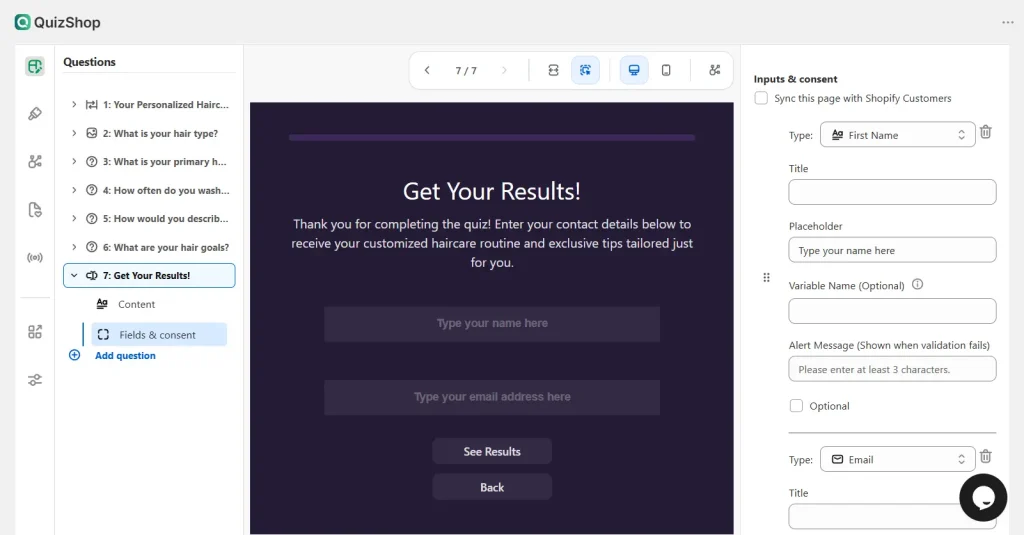
This is really the underlying reason quiz marketing works as well as it does across such different product categories. The mechanism reducing choice overload, closing a diagnostic gap, and collecting first-hand customer data doesn’t change from niche to niche. Only the specific questions and the shape of the recommendation do.
Building this for your Shopify store
If you’re running a Shopify store in any of the categories above, the build pattern is largely the same: branching logic tailored to your niche’s specific diagnostic question, a result page that recommends a bundle or routine rather than a single SKU wherever that’s genuinely true to the product, and quiz answers tagged onto the customer profile so they can feed your email and retention strategy afterward. QuizShop is built specifically for this kind of Shopify quiz app logic designed around ecommerce recommendation and AOV lift, not generic lead-capture quizzes borrowed from other industries.
Curious what a quiz could look like for your specific niche? QuizShop helps Shopify merchants build branching, niche-specific quizzes that turn browsing into a guided purchase decision with routine and bundle recommendations built in to lift AOV.