Zero-Party Data 101: Why Quizzes Are the Easiest Way to Collect It
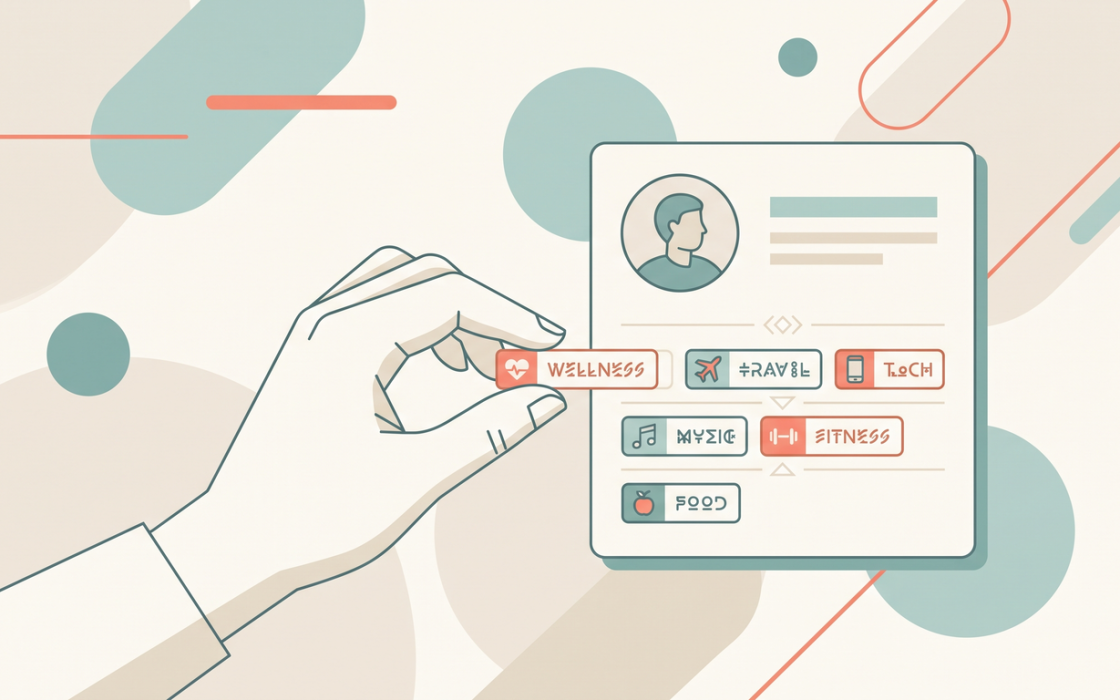
At some point you’ve probably seen the phrase “zero-party data” show up in a marketing newsletter and nodded along without fully knowing what it meant, or how it’s different from all the other data terms floating around; first-party, third-party, behavioral, whatever. That’s fair. The industry loves inventing new vocabulary for old ideas. But this one’s actually worth understanding, especially if you run a Shopify store or any E-commerce businesses in general, because it might be the single most useful category of customer data you’re not collecting yet.
Here’s the short version: zero-party data is anything a customer tells you directly, on purpose, because they chose to. Not data you inferred. Not data you scraped from their clicks. Data they handed you.
And the easiest, least awkward way to collect a meaningful amount of it is a quiz. But it’s not the only way, and understanding the full picture, where this data comes from, how it compares to what you’re probably collecting already, and what actually happens to it after collection makes the difference between a data strategy and a nice-sounding buzzword sitting in a pitch deck.
What “zero-party data” actually means
The term was coined by Forrester a few years back to describe a category that didn’t quite fit anywhere else.
First-party data is what you collect by watching someone use your store and recording their actions. What they clicked, how long they stayed on a page, what they added to cart and abandoned. It’s useful, but it’s inferred. You’re guessing at intent from behavior.
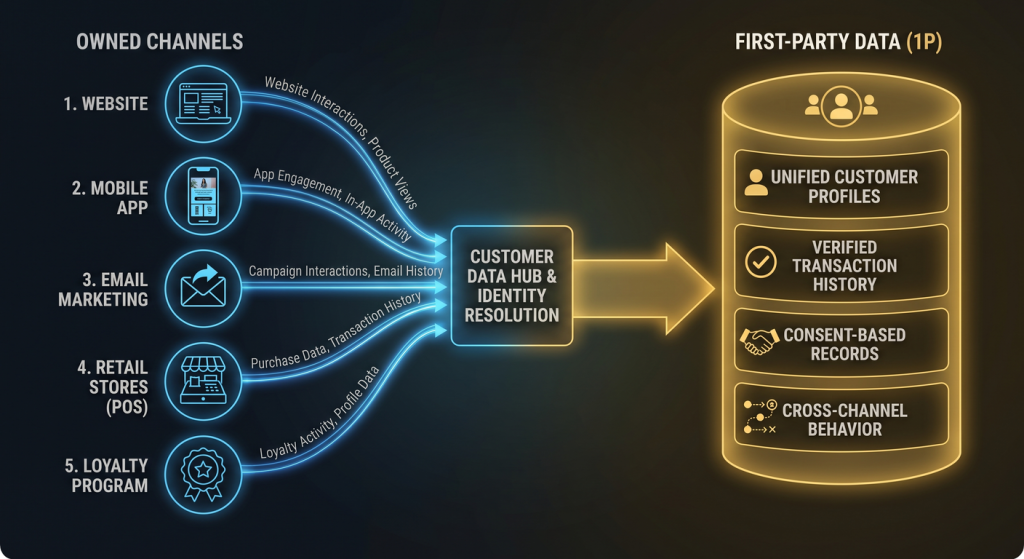
Third-party data is the stuff you buy or license from someone else like ad platforms, data brokers, that sort of thing. It’s increasingly unreliable as privacy regulation tightens and browsers phase out third-party cookies, which is a big part of why zero-party data has become such a hot topic. It’s future-proof in a way third-party data simply isn’t.
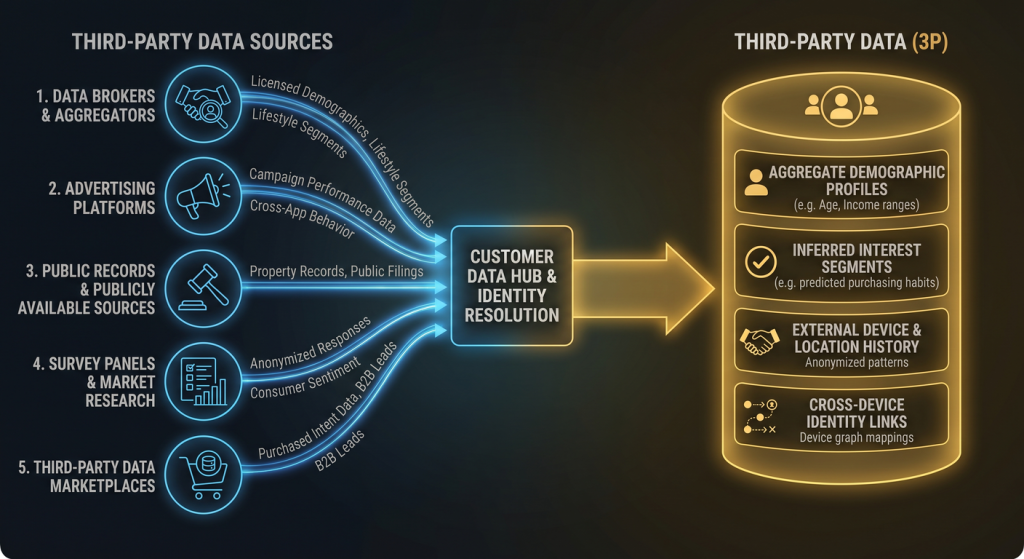
Zero-party data sits apart from both because it’s explicit and voluntary. A shopper tells you their skin type. They tell you their budget range. They tell you they’re shopping for a gift versus for themselves. Nobody had to infer any of that. They said it on purpose, because you asked in a way that made it worth answering.
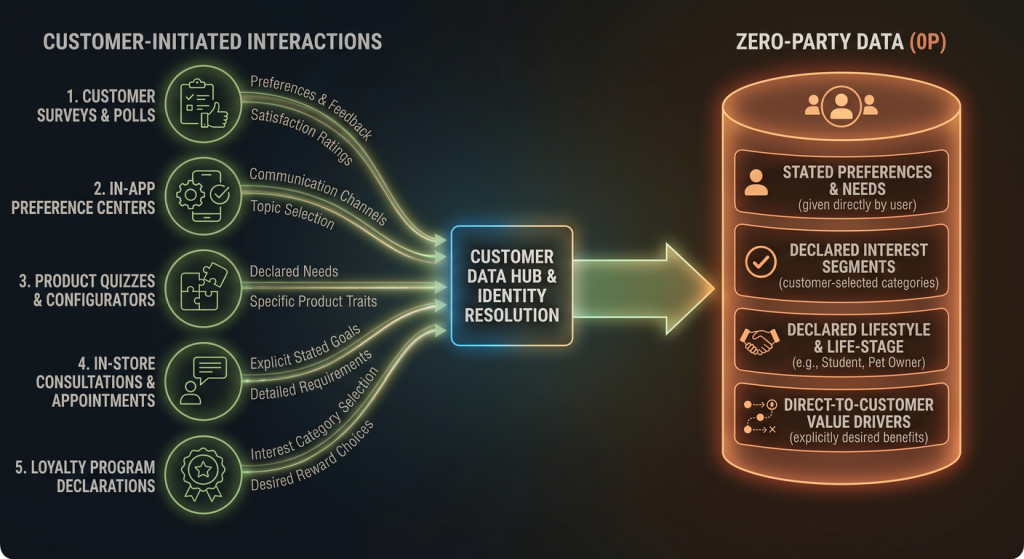
That distinction matters more than it sounds like it should. Inferred data is always a little bit of a guess. Someone who added a product to cart and abandoned it might be price-sensitive, or might have just been comparison shopping, or might have gotten distracted by a phone call. You don’t actually know. But someone who told your quiz “I’m looking for something under $50” has removed the guesswork entirely.
Here’s how the three categories actually compare side by side:
| Zero-party data | First-party data | Third-party data | |
|---|---|---|---|
| How it’s collected | Directly stated by the customer (quiz, survey, preference center) | Observed from behavior on your own store | Purchased or licensed from outside sources |
| Accuracy | High, it’s a direct statement of fact or preference | Moderate, inferred, open to misinterpretation | Variable, often aggregated or outdated |
| Durability | Not affected by cookie deprecation or privacy law changes | Mostly stable, though tracking restrictions can limit depth | Increasingly restricted and unreliable |
| Effort to collect | Requires the customer’s active participation | Passive, collected automatically | Requires a vendor relationship or ad spend |
| Best use case | Personalization, segmentation, product matching | Retargeting, on-site behavior analysis | Broad audience targeting, prospecting |
Where zero-party data actually comes from
A quiz is the cleanest vehicle for collecting zero-party data at scale, but it’s worth knowing the full menu, because different moments in the customer journey lend themselves to different collection methods.
Product recommendation quizzes are the most direct version, a shopper answers a handful of questions to get matched with a product, and every answer along the way is a data point volunteered in exchange for a useful result.
Post-purchase surveys are an underused source. Right after checkout, a shopper is still engaged and often willing to answer one or two quick questions. How they heard about you, what almost stopped them from buying, what they’d want to see more of. This data tends to be more candid than pre-purchase data, since there’s no longer a sale riding on the answer.
Progressive profiling spreads data collection across multiple visits instead of asking everything at once. Rather than a single 10-question form, a store might ask one preference question on the first visit, another on a return visit, and gradually build a fuller profile over time without ever feeling like an interrogation.
Preference centers, usually reached through an email footer link, let subscribers actively choose what kind of content and how often they want to hear from you. This is a lower-volume source than a quiz, but the data tends to be extremely high-quality since only engaged subscribers bother to visit one.
Account creation moments can capture a small amount of zero-party data if done carefully, a single optional question (“What are you usually shopping for?”) tends to get answered far more often than a multi-field form, precisely because it doesn’t feel like paperwork.
Reviews and post-delivery check-ins occasionally surface zero-party data almost by accident, a customer explaining why they loved or didn’t love a product is handing over preference data, even if it wasn’t structured as a data-collection moment. Some brands now prompt for this more deliberately, turning a review request into a light preference-gathering exercise.
Quizzes tend to outperform all of these individually because they combine a clear, immediate payoff (a personalized result) with a format that feels like progress rather than paperwork. But a mature zero-party data strategy usually layers a few of these together rather than relying on one.
Why quizzes are the natural collection mechanism
You could ask people to fill out a profile form when they create an account. Almost nobody will. Account creation forms feel like paperwork, and paperwork gets abandoned the moment it feels like a chore rather than something that benefits the person filling it out.
A quiz works because it flips the exchange. Instead of “give us your information,” it’s “answer a few questions and we’ll tell you what’s actually right for you.” The data collection is a side effect of something the shopper actually wants. A recommendation, a match, an answer to “which one of these is for me.” That’s the whole trick. People will volunteer a surprising amount of detail about themselves when the immediate payoff feels worth it, and a good quiz makes that payoff feel immediate rather than theoretical.

Compare that to a pop-up asking for an email address in exchange for 10% off. That’s a fine tactic, but it captures almost nothing about the person beyond the fact that they wanted a discount. A quiz, even a short one, captures skin type, or use case, or budget, or style preference, or whatever else actually matters to your catalog. It does it while the shopper is still in a mindset of engaging with your brand, not just extracting value from it.
There’s also a completion-rate advantage that’s easy to underestimate. A well-designed quiz feels like progress, each question is a step closer to an answer, and most people have a mild compulsion to finish something they’ve started, especially if there’s a visible progress bar ticking upward. A static form doesn’t have that same pull. It just sits there looking like work.
What kind of zero-party data a quiz actually surfaces
The specifics depend heavily on what you sell, but a few categories show up across almost every ecommerce vertical:
- Preferences and taste: style, color, fragrance intensity, flavor profile, whatever dimension of “which one do I like” applies to your catalog. This is the data that’s nearly impossible to infer from behavior alone, because browsing patterns don’t reliably tell you why someone lingered on a product.
- Needs and use case: is this a gift or a personal purchase, is this for daily use or occasional use, is this a first-time purchase or a replacement for something they already own and liked. Behavioral data can hint at some of this, but a direct answer removes the ambiguity entirely.
- Constraints: budget range, sensitivities, allergies, sizing, anything that should filter out a chunk of your catalog before recommendations even get made. This is data that’s borderline impossible to infer and genuinely risky to guess wrong on.
- Goals and intent: what someone is actually trying to accomplish, which is often a different question than what they’re trying to buy. Someone shopping for skincare might say their goal is “clearer skin in time for an event” rather than just “acne treatment,” and that framing changes what you’d recommend and how you’d talk to them afterward.
None of this shows up cleanly in a Shopify analytics dashboard. It only shows up if you ask, and a quiz is the version of asking that people actually want to answer.
What you do with it afterward
Collecting zero-party data and then never using it past the initial recommendation is a genuinely common mistake, and it’s a shame, because this is where the format really pays for itself.
The most obvious use is email segmentation. A shopper who told your quiz they have sensitive skin and are avoiding fragrance should not be getting the same weekly newsletter as someone who said they want bold, statement fragrances. That sounds obvious written out, but a lot of stores still send one undifferentiated blast to their entire list because building segments from behavioral data alone is genuinely hard. Zero-party answers make segmentation almost trivial, you already have the labels, they came straight from the customer.
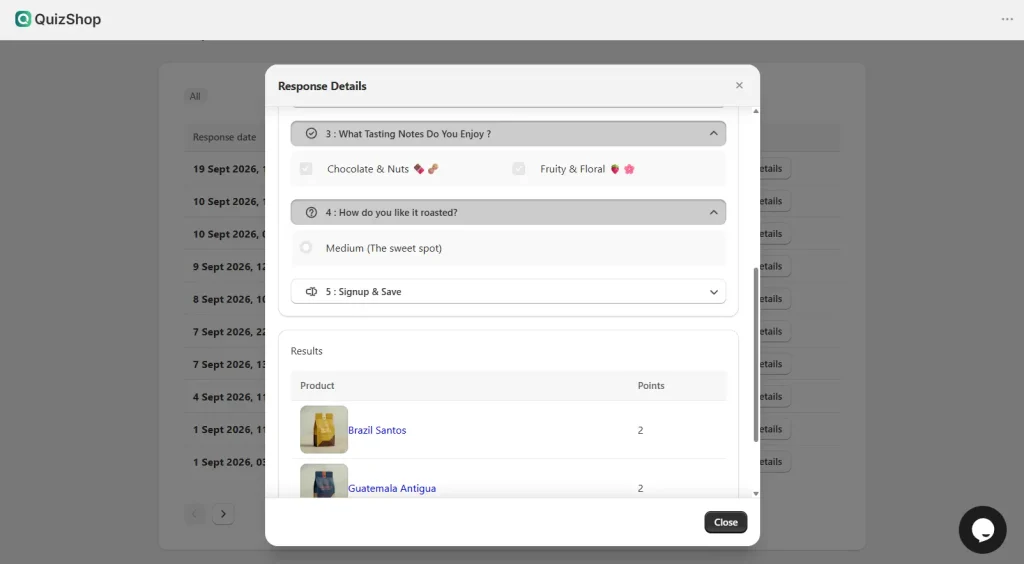
There’s also a personalization layer beyond email. If your quiz data is tagged onto the customer profile, you can use it to shape on-site experience on return visits, tailor product recommendation widgets, or inform which SMS flows someone lands in. The data doesn’t expire the moment the quiz result page loads. It’s a persistent signal about who this person is and what they want, and it stays useful for as long as they’re a customer.
It’s also, less obviously, a product and merchandising input. If a meaningful share of quiz-takers keep flagging a concern or preference your catalog doesn’t currently serve well, that’s a demand signal worth paying attention to and boost your sales.
A few concrete examples of what this looks like by category:
| Industry | Zero-party data collected | Downstream use |
|---|---|---|
| Skincare | Skin type, concerns, sensitivities | Routine-based email flows, replenishment timing |
| Supplements | Health goals, current routine | Segmented content by goal, stack upsells |
| Pet products | Breed, age, dietary restrictions | Personalized reorder reminders, bundle suggestions |
| Apparel | Size, style preference | Reduced return rate, curated new-arrival emails |
| Gifting | Recipient interests, budget, occasion | Seasonal remarketing, gift-reminder campaigns |
Common mistakes brands make with zero-party data
A few patterns show up repeatedly in stores that collect this data but don’t get much value from it.
- Collecting more than you’ll use. It’s tempting to ask every question that might someday be useful, but each additional question adds friction and drop-off. If a piece of data isn’t going to shape a recommendation or a follow-up campaign, it’s usually not worth asking for.
- Letting the data sit in a spreadsheet. Zero-party data is only valuable once it’s operationalized, tagged to a customer profile, synced to an email platform, or fed into a segmentation rule. Data collected and never connected to anything downstream is effort spent for nothing.
- Treating every answer as equally important. Some answers should hard-filter a recommendation (a flagged allergy, a stated budget ceiling); others should just nudge it (a mild style preference). Treating all inputs with the same weight in your logic tends to produce worse recommendations than treating a few as non-negotiable constraints.
- Asking once and never updating. Preferences change. A customer’s stated skin concern or fitness goal from eight months ago may not reflect where they are now. Brands that periodically re-engage customers with a short, optional “anything changed?” prompt tend to keep their zero-party data meaningfully more accurate than those who treat the original quiz answers as permanent.
A note on trust and consent
None of this works if it feels extractive. The moment a quiz feels like it’s mining someone for marketing data rather than actually trying to help them, the whole exchange breaks down and completion rates drop. The questions need to earn their place. Every answer should visibly feed into the result the shopper gets at the end, not just disappear into a database they’ll never see benefit from.
It’s also worth being plain with shoppers about what happens to their answers, particularly for anything sensitive. Health-adjacent questions, budget, or anything else a customer might hesitate to share. A short, honest line near the start of a quiz (“we use your answers only to personalize your results and future suggestions”) tends to increase completion rates rather than hurt them, because it removes the vague unease of not knowing where the information is going and making it easier for a customer to trust.
That’s really the underlying reason zero-party data collected through a quiz tends to be higher quality than data collected almost any other way. People aren’t handing it over because they were incentivized or tricked into it. They’re handing it over because answering felt like the fastest path to getting something useful, and the data just happens to be worth a lot to you on the other side of that exchange, it’s a win-win situation.
How to tell if it’s actually working
A few signals are worth tracking once a quiz is live, beyond just completion rate:
- Tag coverage: What percentage of your customer base now has quiz-derived tags on their profile, versus relying purely on order history
- Segment performance: Whether email flows built from quiz segments outperform your general list on open and click-through rate
- Recommendation acceptance: how often shoppers actually purchase the product a quiz recommended, versus browsing away from it
- Data freshness: how old the average customer’s quiz answers are, which tells you whether it’s worth prompting long-time customers to retake it
None of these need a data science team to track. Most show up directly in your Shopify and email platform dashboards once quiz answers are properly tagged to customer profiles.
Setting this up in QuizShop
If you’re running a Shopify store, this is exactly the gap QuizShop is built to close. Every answer a shopper gives, skin type, budget, use case, sensitivities, whatever fields matter for your catalog gets tagged directly onto their customer profile, ready to feed Klaviyo segments, Shopify customer tags, or on-site personalization without any manual data wrangling on your end. The quiz itself does the work of making that data collection feel like a favor to the shopper instead of a form to get through, and QuizShop handles the part that usually stalls stores out: actually turning those answers into something usable after the quiz ends.